Skip to content

What is Dry Needling & How Does it Work?

February 27, 2026

If you’ve ever dealt with stubborn muscle knots, chronic tightness, or lingering pain that just won’t stretch away, you may have heard of dry needling. Often used by physical therapists, chiropractors and other trained clinicians, dry needling is a modern, evidence-informed technique designed to relieve muscle pain and improve movement.


What Is Dry Needling?


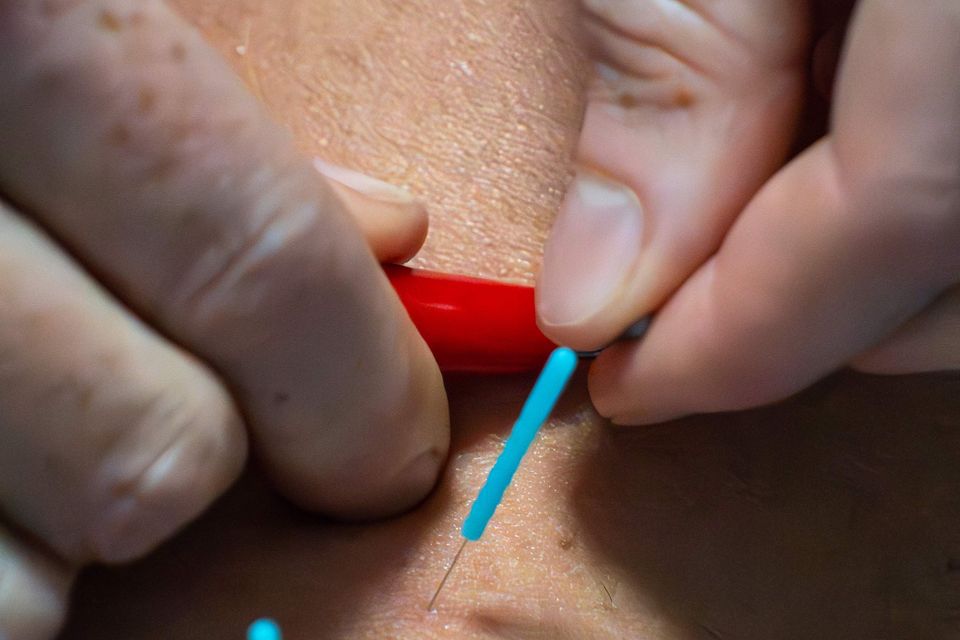
Dry needling is a treatment that involves inserting very thin, sterile needles into specific points in muscle tissue known as trigger points. These trigger points are tight, irritable bands within a muscle that can cause local tenderness or even referred pain (pain felt in another area of the body).
The term “dry” simply means that no medication or fluid is injected through the needle. Unlike injections, the needle itself is the treatment.
Dry needling is often confused with acupuncture, a practice rooted in Traditional Chinese Medicine. While both use similar needles, acupuncture is based on balancing the body’s energy (Qi) along meridians. Dry needling, on the other hand, is grounded in modern anatomy and neuroscience, focusing specifically on muscle and connective tissue dysfunction.
How Does It Work?


When the needle is inserted into a trigger point, several things can happen:
Release of muscle tension
The needle can cause a small, involuntary contraction called a “local twitch response.” This reaction helps the muscle relax and reduces tightness.
Improved blood flow
Trigger points often have poor circulation. Dry needling stimulates blood flow to the area, delivering oxygen and nutrients that promote healing.
Nervous system reset
Chronic pain can make the nervous system more sensitive. By stimulating the affected tissue, dry needling can help “retrain” the nervous system and reduce pain signals.
Improved movement 
As tension decreases and pain subsides, range of motion and overall function often improve.

What Does It Feel Like?

Most people feel a quick pinch when the needle enters the skin. If a twitch response occurs, it may feel like a brief cramp—but it usually subsides quickly. Some mild soreness afterward is common, similar to what you might feel after a workout.
Kkk

Who Can Benefit?


Dry needling is commonly used for:
  • Neck and back pain
  • Shoulder injuries
  • Headaches and jaw pain
  • Hip and knee pain
  • Sports-related muscle strains

It’s typically part of a broader treatment plan that may include exercise, stretching, and manual therapy.
Dry needling isn’t a magic fix—but when used appropriately by a trained professional, it can be a powerful tool to reduce pain, restore movement, and help people get back to doing what they love.