
Conditions We Treat
Chiropractors most commonly treat neuromusculoskeletal conditions, particularly those involving the spine, joints, muscles, nerves and connective tissues. While chiropractic care is often used to help manage pain and improve mobility, the strength of evidence varies by condition. The best-supported use is for certain types of back pain, neck pain, and some headaches.

Lower Back Pain
Pain in the lumbar spine caused by muscle strain, joint dysfunction, disc problems, or mechanical issues. Chiropractic adjustments, exercise, and soft tissue therapy are commonly used to reduce pain and improve function.

Neck Pain
Pain or stiffness in the cervical spine, often resulting from poor posture, muscle tension, arthritis, or injury. Treatment may include spinal manipulation, mobilization, stretching, and ergonomic advice.
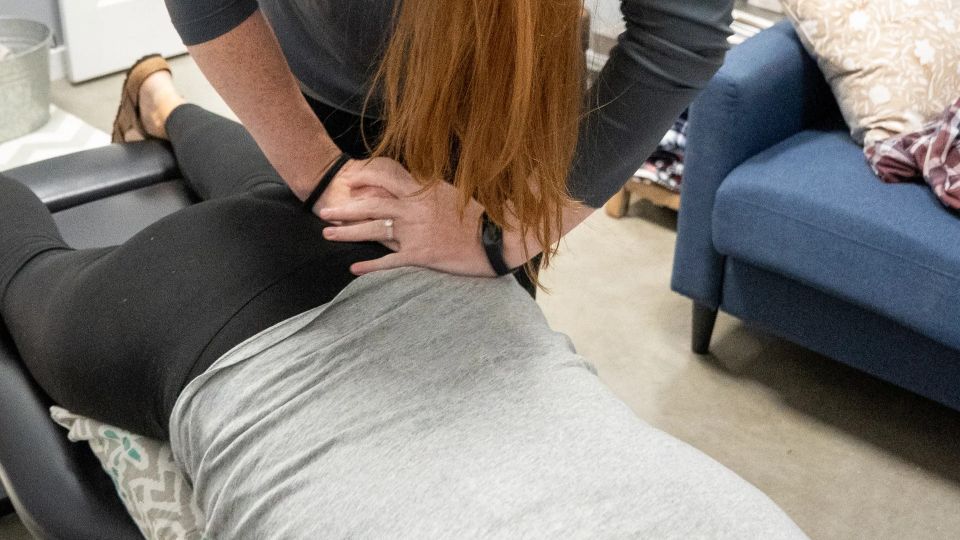
Sciatica
Pain, numbness, or tingling that radiates from the lower back down one leg due to irritation or compression of the sciatic nerve. Chiropractors may use spinal adjustments and exercises to reduce nerve irritation when appropriate.

Herniated or Bulging Disc
Occurs when part of an intervertebral disc protrudes and may irritate nearby nerves, causing pain, numbness, or weakness. Conservative chiropractic care may be part of a treatment plan for selected patients who do not have urgent neurological symptoms.
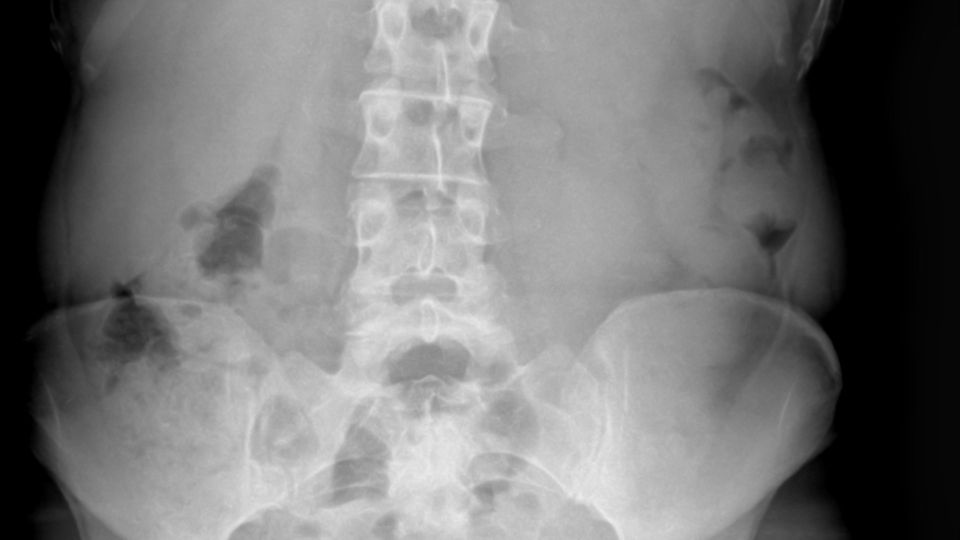
Degenerative Disc Disease
Age-related wear of the spinal discs that can cause stiffness and chronic pain. Treatment typically focuses on improving mobility, reducing discomfort, and maintaining function.

Facet Joint Syndrome
Pain arising from the small joints that connect the vertebrae, often causing localized back or neck pain. Manual therapy and exercises are commonly used.
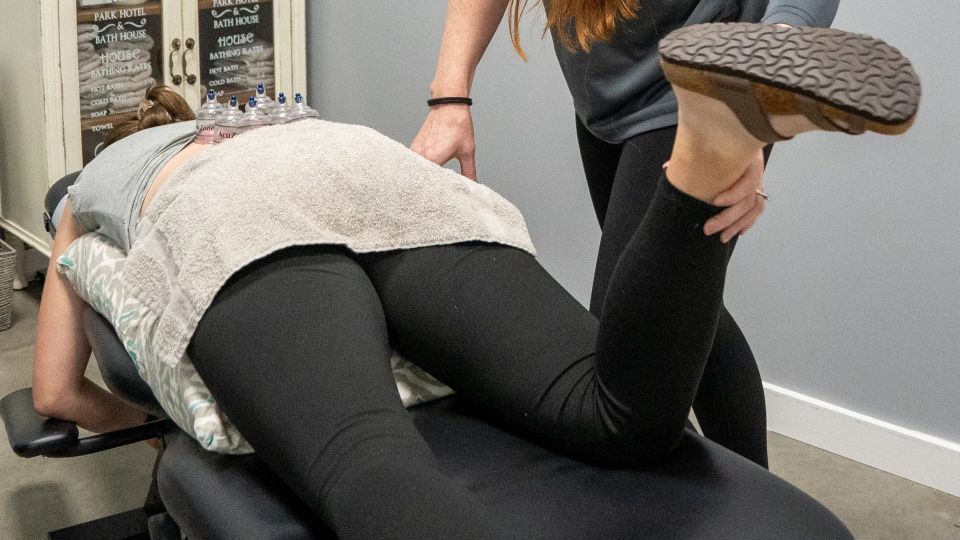
Sacroiliac (SI) Joint Syndrome
Pain originating from the joints connecting the pelvis to the sacrum. Symptoms often include lower back, buttock, or hip pain. Chiropractic adjustments and stabilization exercises may help.
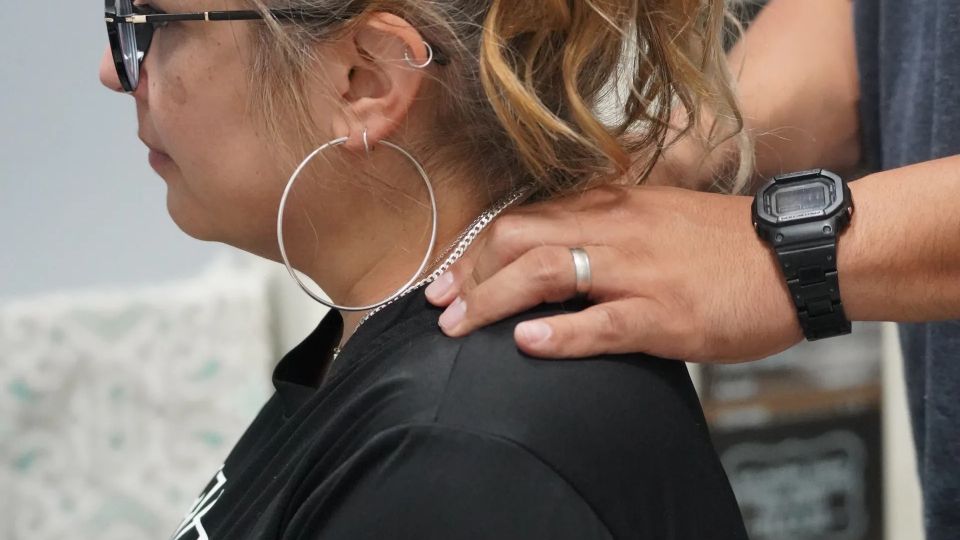
Whiplash
A neck injury caused by rapid forward-and-back movement, commonly from motor vehicle accidents. Care may include gentle mobilization, exercises, and soft tissue therapy after serious injuries have been ruled out.

Headaches/Migraines
Headaches caused by muscle tension in the neck, shoulders, or scalp are called cervicogenic or tension headaches. Chiropractic treatment often focuses on reducing muscle tightness and improving cervical spine movement. Chiropractors offer supportive care for migraines as evidence shows that regular care may help reduce the frequency or severity of migraines.
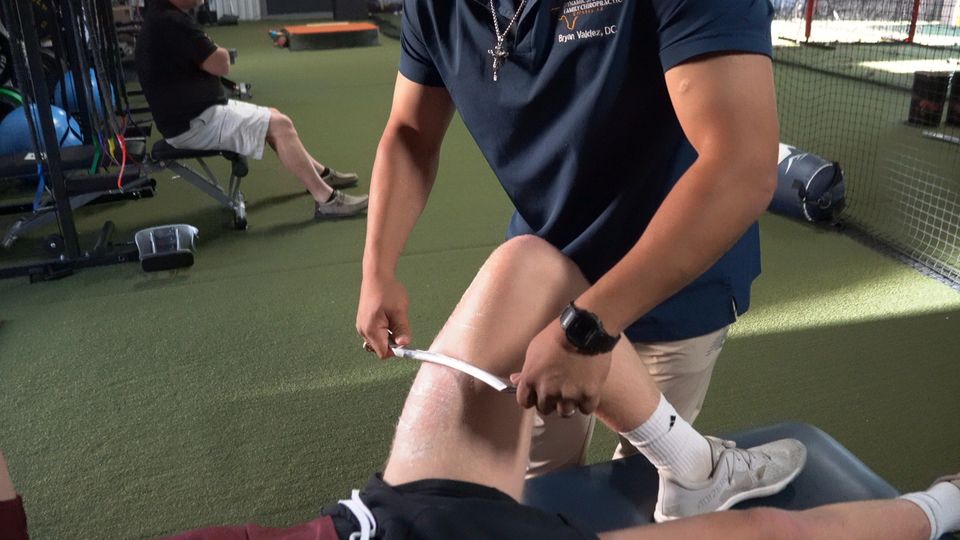
Muscle Strains
Overstretched or torn muscles from sports, lifting, or overuse. Treatment may include soft tissue techniques, stretching, and rehabilitation exercises.

Ligament Sprains
Injury to ligaments caused by twisting or trauma. Chiropractors may use joint mobilization, rehabilitation, and bracing recommendations when appropriate.

Shoulder Pain
Pain resulting from rotator cuff injuries, impingement, adhesive capsulitis (frozen shoulder) or joint dysfunction. Chiropractic care may include mobilization, soft tissue therapy, and strengthening exercises.

Tennis or Golfer's Elbow
Pain on the inside or outside of the elbow caused by repetitive wrist and forearm movements. Treatment may include soft tissue therapy, exercises, and ergonomic modifications.

Carpal Tunnel
Compression of the median nerve at the wrist, causing numbness, tingling, and weakness. Chiropractors may provide conservative care, though moderate to severe cases often require medical evaluation.

Hip Pain
Pain related to joint dysfunction, muscle imbalance, arthritis, or overuse. Chiropractic care may improve mobility and address contributing biomechanical factors.

Knee Pain
Pain resulting from overuse, mild osteoarthritis, or mechanical dysfunction. Treatment may include joint mobilization, exercise, and gait assessment.

Plantar Fasciitis
Inflammation or degeneration of the plantar fascia on the bottom of the foot, causing heel pain. Chiropractors often use stretching, soft tissue therapy, and footwear recommendations.
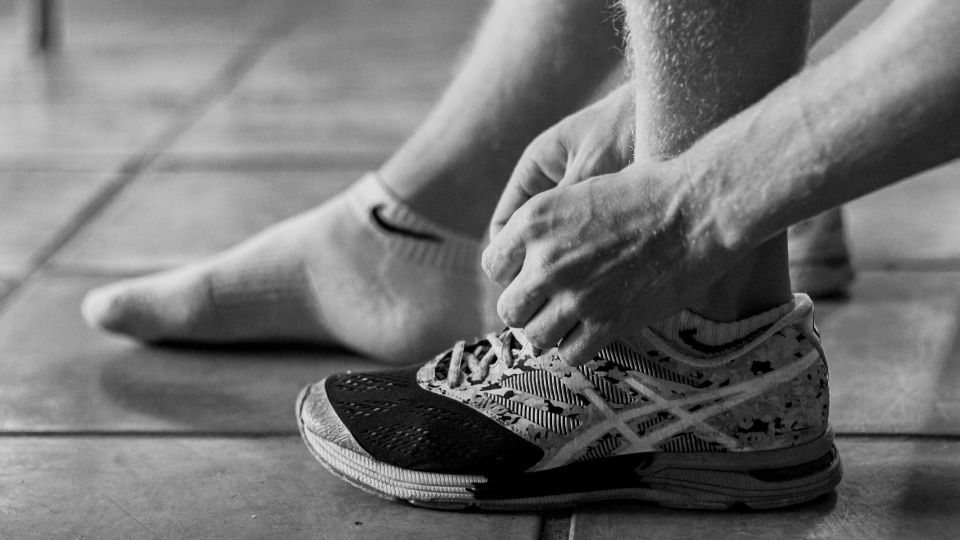
Ankle Sprains
Ligament injuries caused by rolling or twisting the ankle. Rehabilitation focuses on restoring movement, balance, and stability.

Temporomandibular Joint (TMJ) Dysfunction
Pain or limited movement of the jaw joint, sometimes associated with headaches or facial pain. Some chiropractors provide manual therapy and exercises as part of a multidisciplinary approach.

Osteoarthritis
Degeneration of joint cartilage causing pain and stiffness. Chiropractic care does not reverse arthritis but may help improve mobility and reduce pain through conservative management.

Postural Syndrome
Pain and stiffness caused by prolonged sitting, poor ergonomics, or repetitive positioning. Treatment emphasizes posture correction, strengthening, and mobility exercises.